
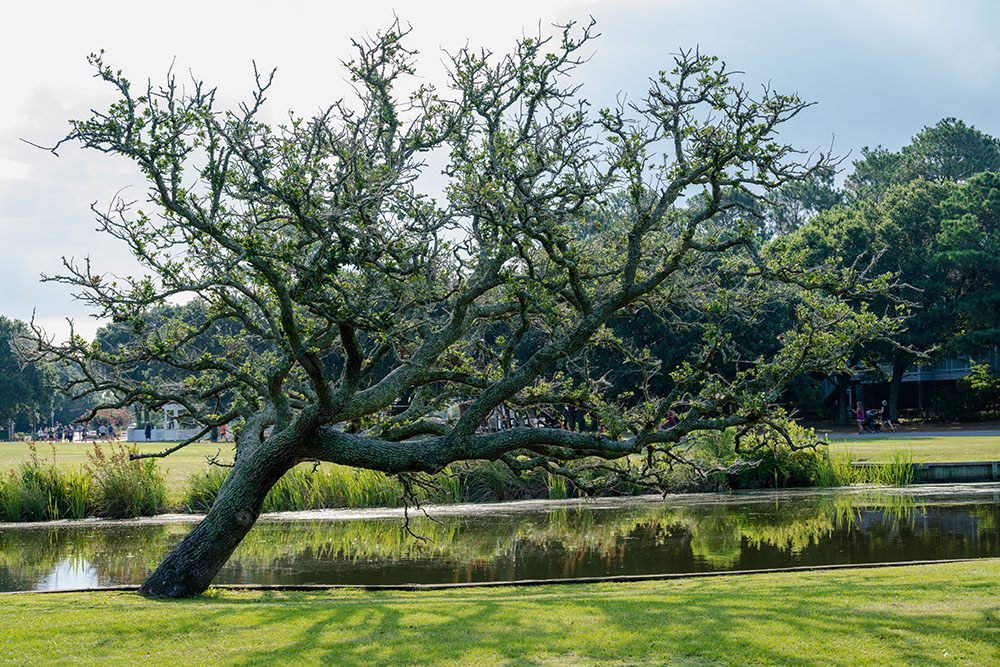
Hazardous Tree Removal
We cut down high-risk trees before they hit your roof. If you've got a trunk with a hollow base, an old split, or a nasty lean over your service drop, we drop it in pieces without wrecking your property.
Explore ServiceCertified, fully insured arborists serving the Capital District. We’re on call 24/7 for emergency tree removals and storm damage, because trees don’t care what time it is

We cut down high-risk trees before they hit your roof. If you've got a trunk with a hollow base, an old split, or a nasty lean over your service drop, we drop it in pieces without wrecking your property.
Explore Service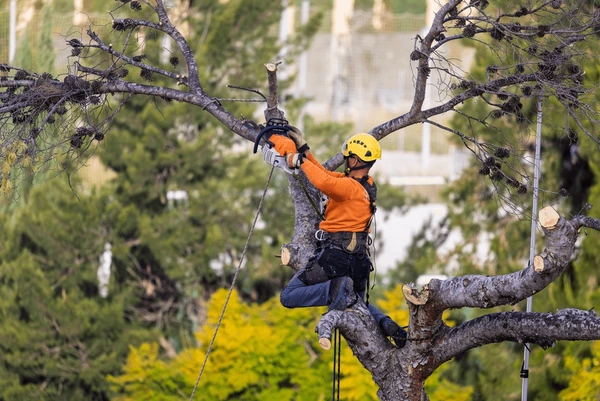
We look for structural decay, wood boring beetles, and weak bark attachments to tell you plainly if your hardwoods are safe or a hazard. You get an honest field assessment from someone who actually knows tree biology, not a salesman trying to hit a quota.
Explore Service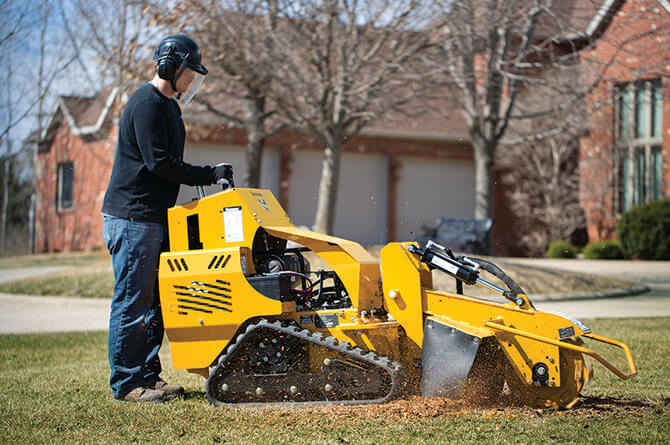
This is about keeping your old hardwoods together. We thin out crowded crowns, take out heavy deadwood, and balance the limbs so the next big storm doesn't rip the trunk apart at the main crotch.
Explore Service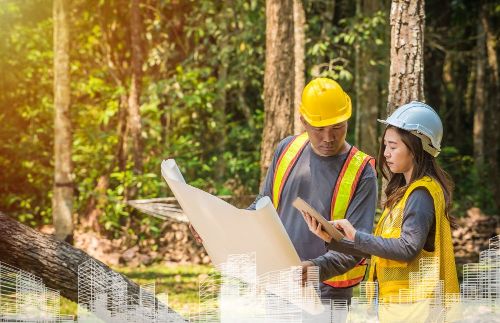
We chew down ugly stumps so you can actually grow grass or park a car there. Our machine grinds 8 to 12 inches below the turf, we rake the hole clean, and leave the ground flat.
Explore Service24/7 priority emergency clearing for trees on houses, power lines, driveways, and fences. One call gets our crew moving, day or night, weekends included.
Every spring, Capital District homeowners notice shifting maples or winter cracks. While uncertified guys with pickups ghost you, our ISA-certified team solves it safely.

Every job we run is completely covered. If a limb takes an unexpected bounce and cracks a roof tile, our insurance handles it, not your homeowner’s policy. We keep our certificates up to date because doing tree work without proper coverage puts homeowners at unnecessary risk.
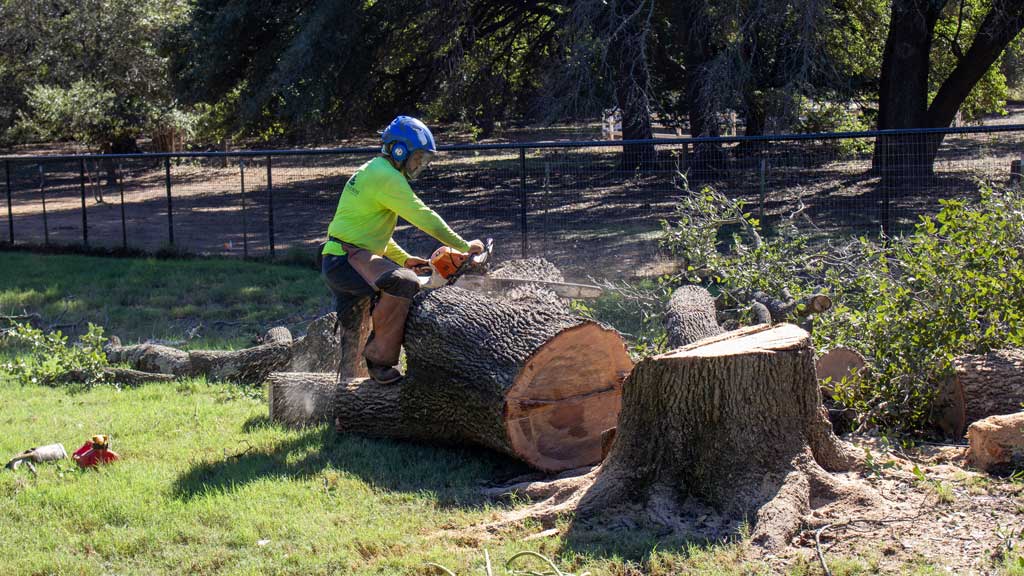
Albany’s historic neighborhoods, Center Square, Pine Hills, and Arbor Hill, are packed with 100-year-old oaks and elms. When one of these giants dies back, you can’t just drop it. You’re usually dealing with tiny alleyways, overhead power lines, tight board fences, and neighbor garages sitting right on your property line. Some of these tight-quarter jobs take longer just to move neighbor trash cans, drop plywood, and set cones than the actual cutting. We take these trees down piece by piece from the top, rigging and lowering every heavy log by hand so nothing slams into your slate walkway. In Albany’s heavy clay soil, we also have to watch how the root plate shifts when the top weight changes. We map out those physics before anyone pulls a starter cord.
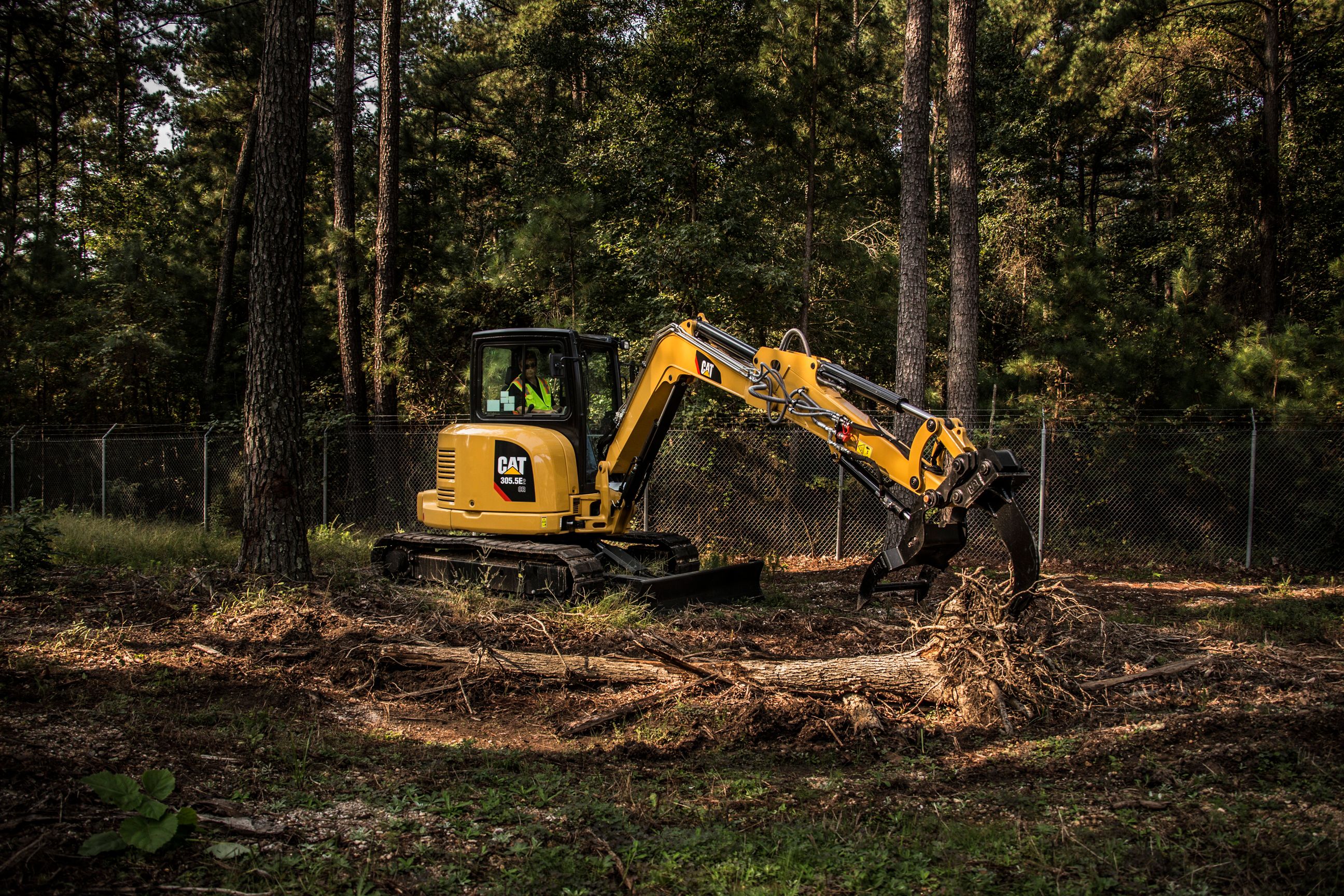
We handle the whole permit mess with towns like Bethlehem or Colonie, clear out the brush, and grind the stumps down so your excavator doesn’t get hung up on hidden roots. When we leave, the dirt is ready for a foundation.
Following ANSI A300 standards, we thin the crown and take out competing tops so the wind and heavy January ice move through the branches instead of snapping them. We don’t top trees or hack off branch collars; that just creates rot pockets you’ll have to pay to cut out anyway, five years down the road.
Albany Tree Experts knows the specific needs of New York’s upstate canopy because we’ve been working in it for years. Every face on this crew is someone who shows up on the job every time.
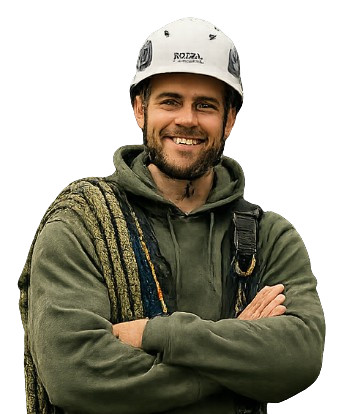
We look over every single assessment, removal plan, and complex rigging setup before our trucks leave the shop. Out here, a mistake costs too much, so we don’t leave anything to guesswork.

A decade of climbing into the tightest backyards across Albany County.
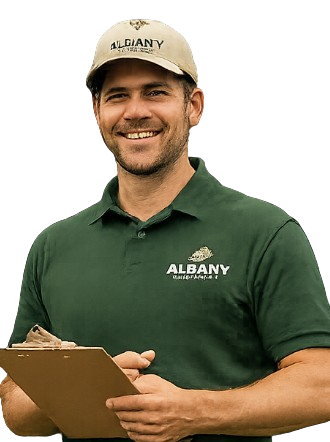
This is who figures out why your mature oaks or maples are struggling. From deep-root feeding to aggressive bug management, he stops infestations before you lose the tree.
At Albany Tree Experts, safe tree removal comes down to ground control and planning. Before a saw starts, the lead arborist maps out target zones, overhead lines, and soft turf paths.
We run heavy ground protection mats during the spring thaw so our trucks don’t leave deep ruts in your grass. In tight city yards, we rely on block-and-tackle rigging systems to control the weight on the way down rather than letting logs free-fall.
Nobody cuts until the whole crew looks up, makes eye contact, and knows exactly where that wood is moving.
We don’t just talk about local experience; we’re out in these neighborhoods every day. Use the links below to check out real photos of the setups, tight-quarter drops, and cleanups we’ve handled right down the road from you.
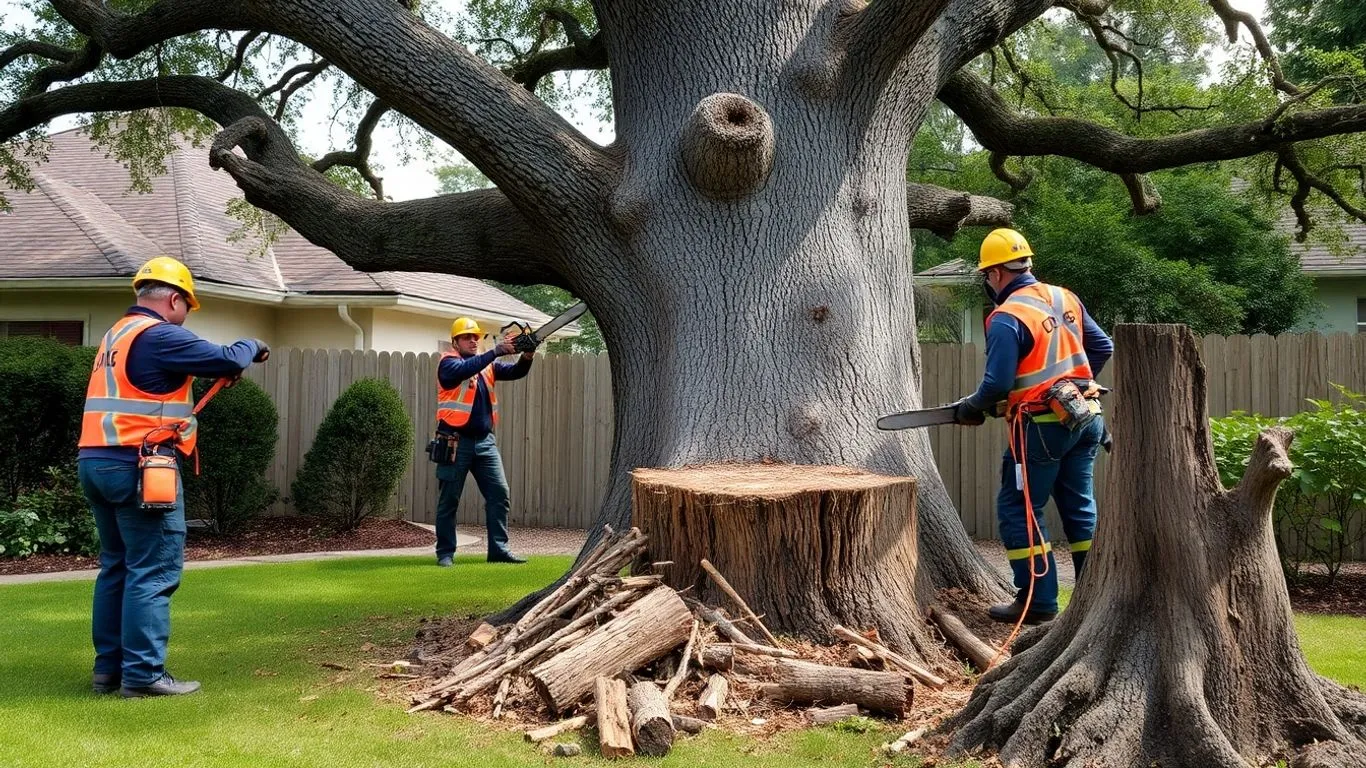
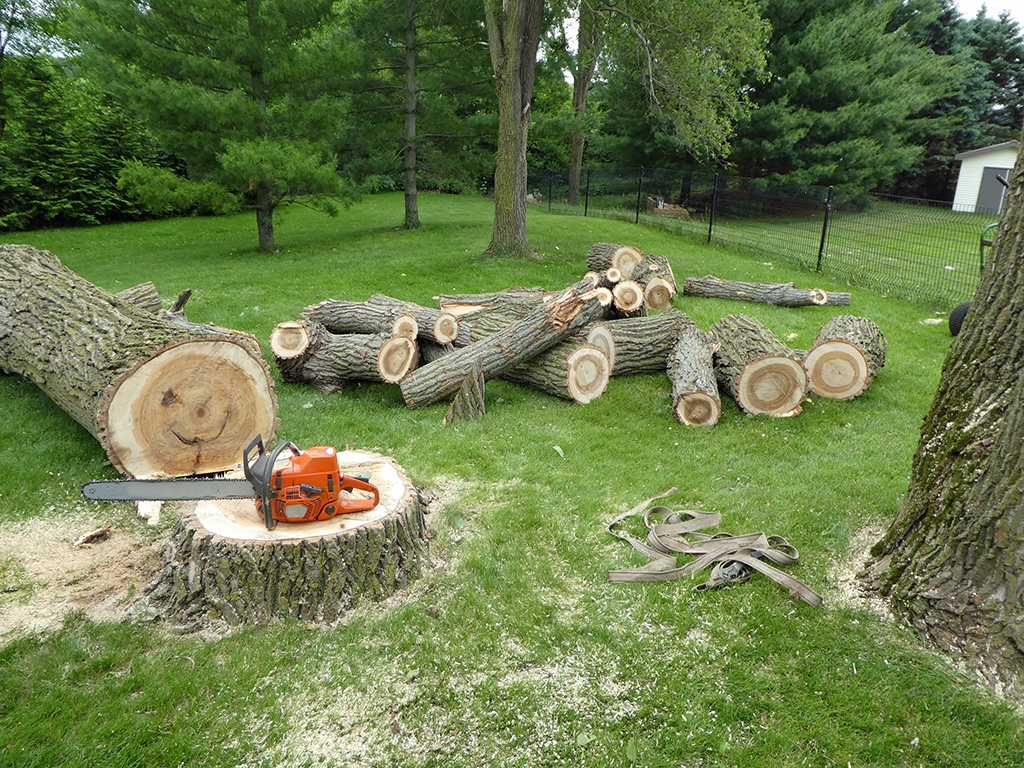
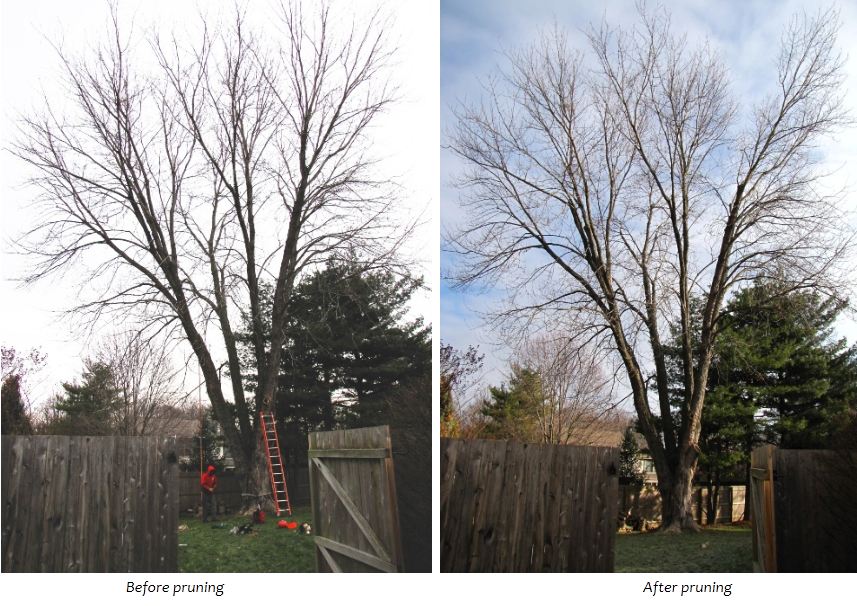
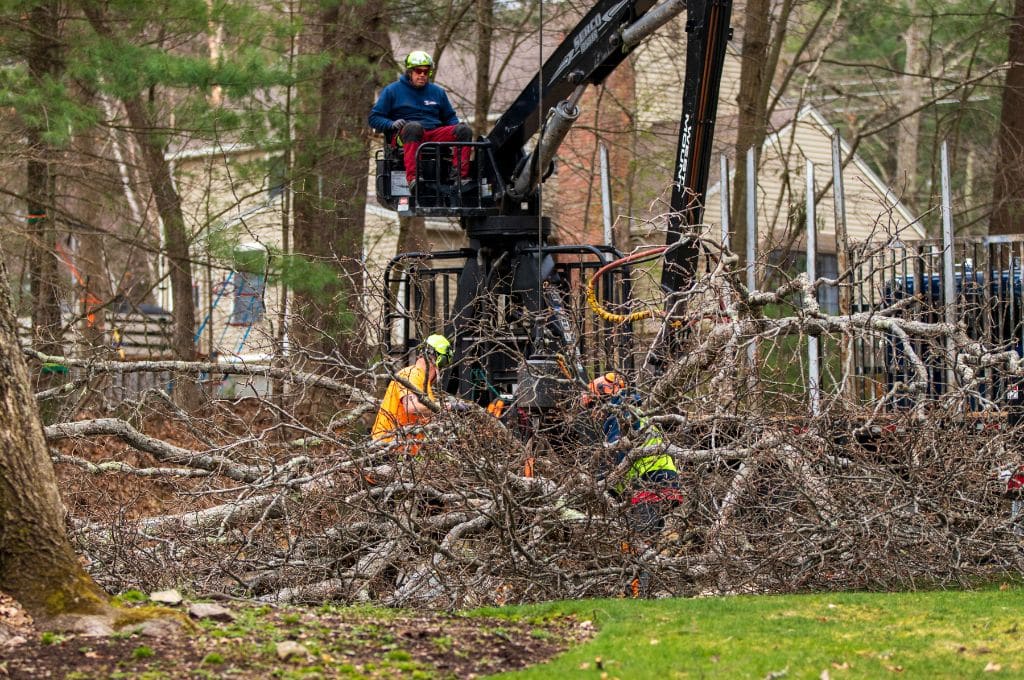
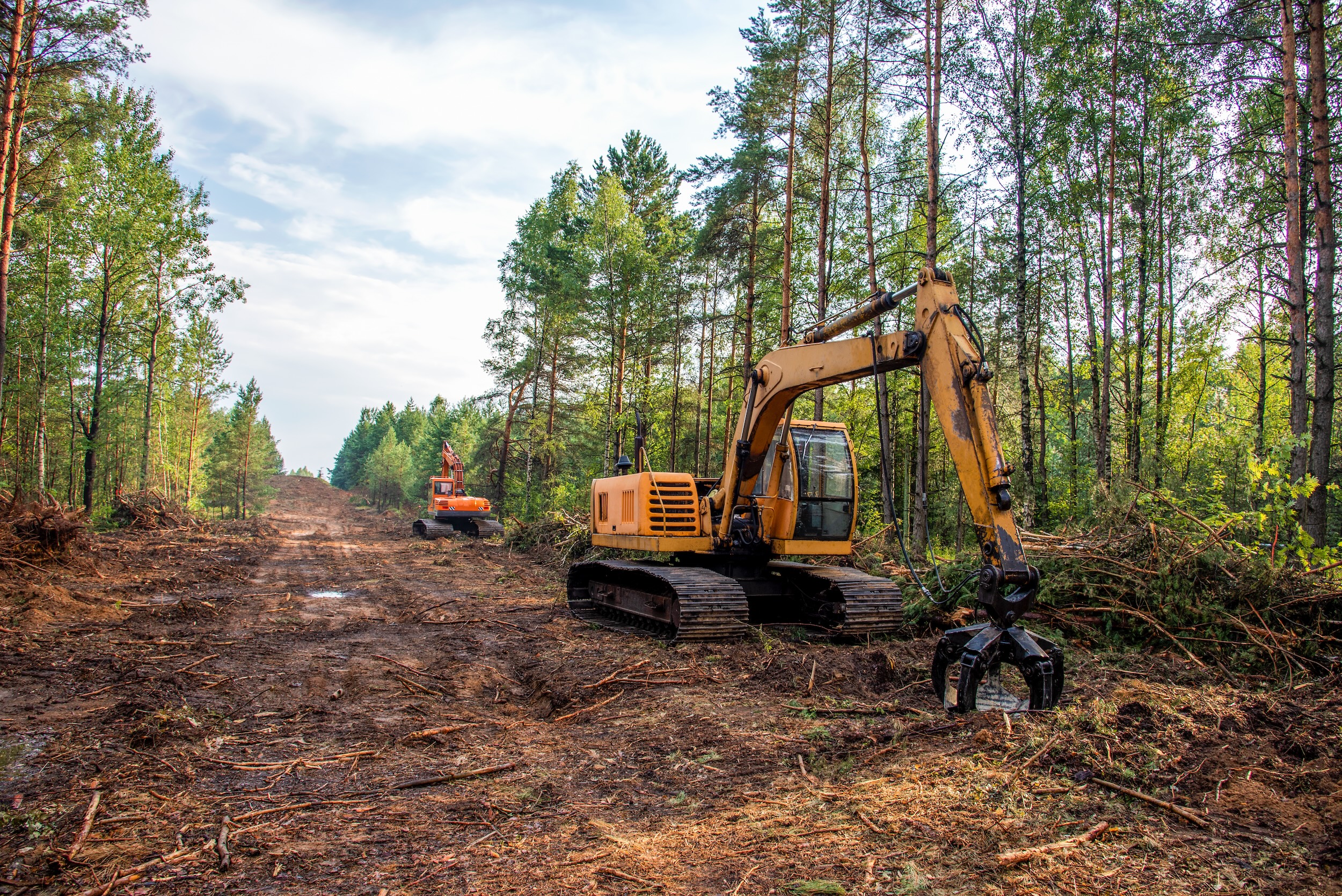
These are the jobs that separate a real arborist company from a crew with a truck. Complex removals in constrained conditions, problem trees in historic neighborhoods, and situations where the wrong call means a lot more than just a bad day.
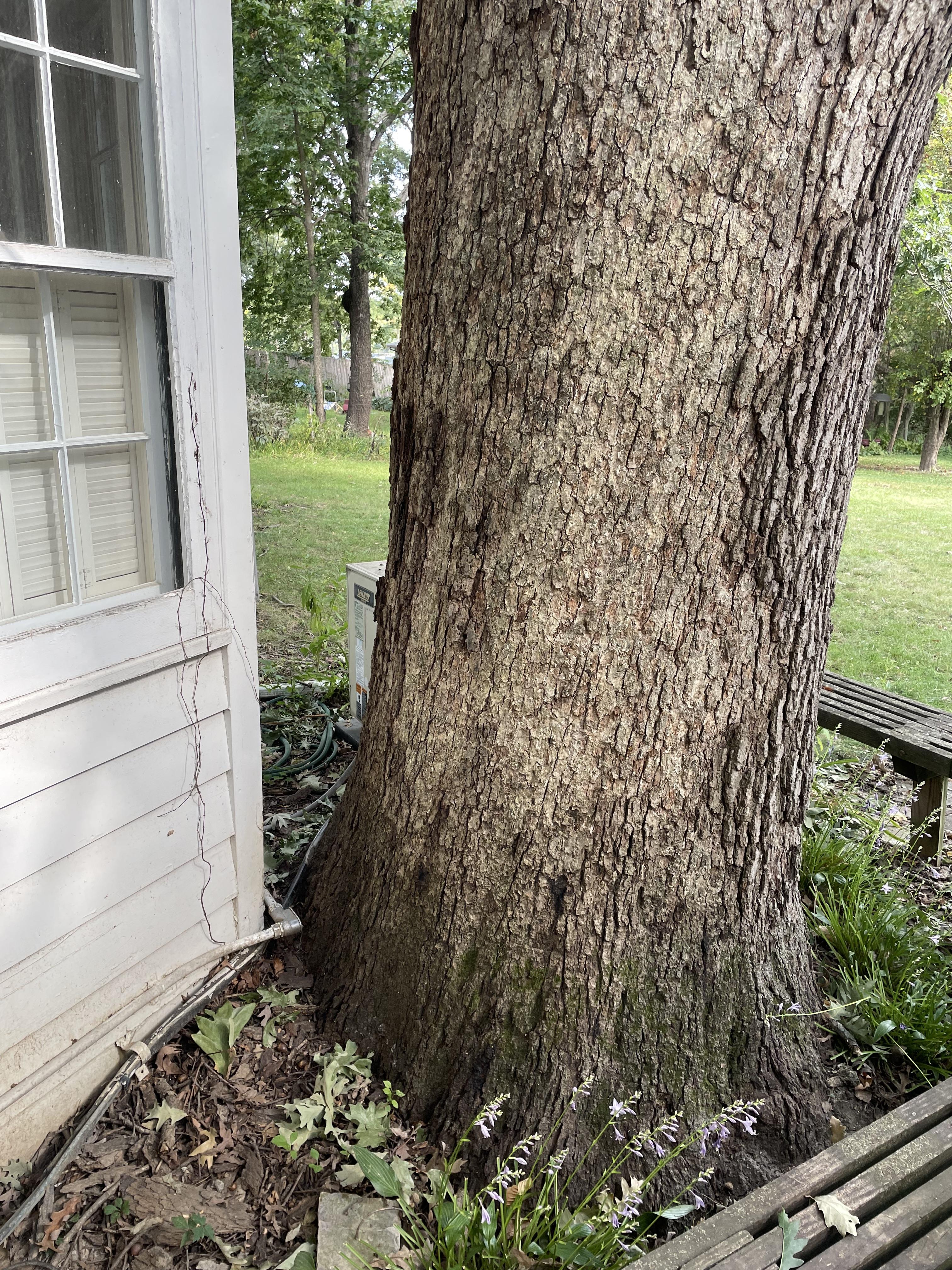
A homeowner called us after a massive white oak started shifting toward their 1890s row house. This tree was huge, older than the neighborhood houses, but the base was rotting out from old root damage, and it had to come down.
The backyard only gave us 18 feet of breathing room between the house and the fence, plus the neighbor’s roof was sitting right on the line.
We got an alley permit from the city, backed our 75-foot bucket truck into position, and spent two days cutting it down into 12 heavy pieces.
We rigged and lowered every single log using tag lines. When we finished grinding the stump down 10 inches, the neighbor’s yard didn’t have a scratch on it..
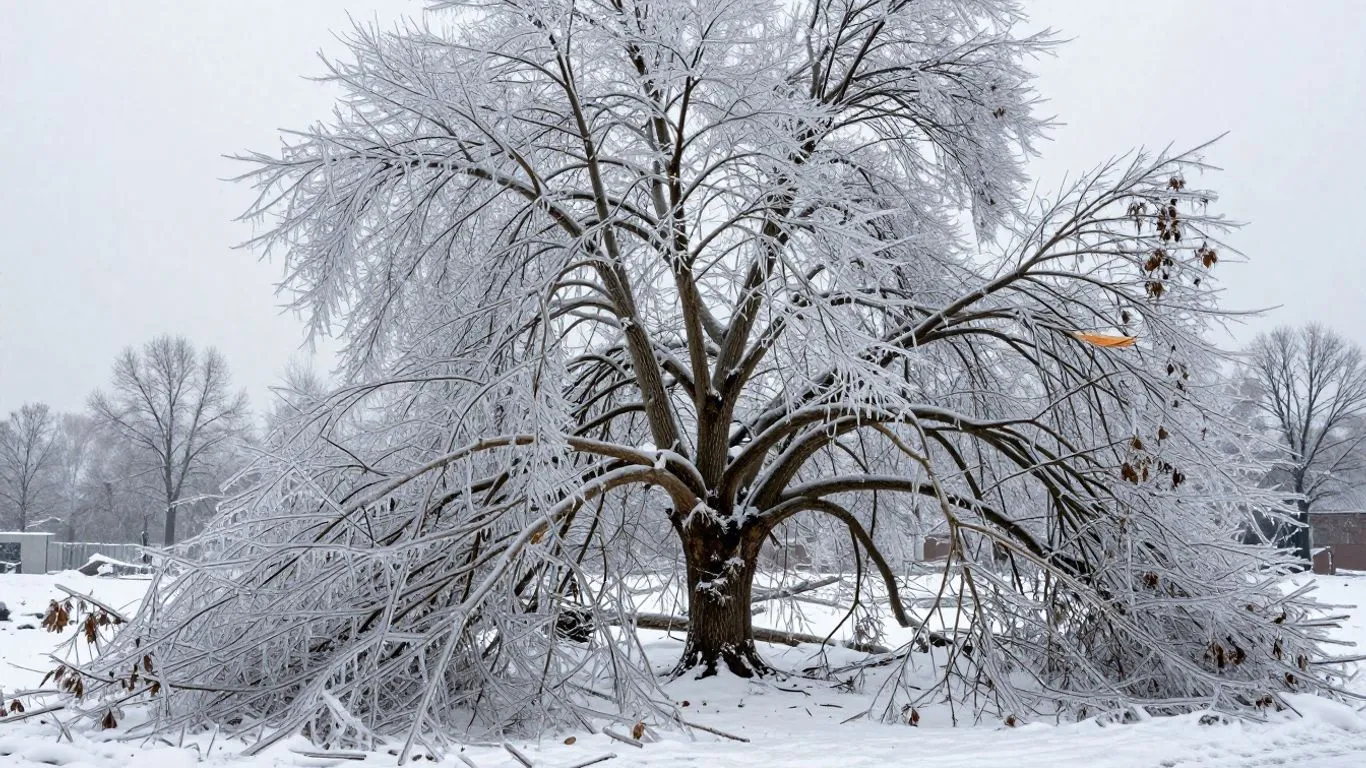
The January ice storm hammered the Capital District, putting 40 emergency calls on our board by daybreak. This one couldn’t wait: a 65-foot silver maple split right down the middle, dumping half its weight onto a distribution line.
Silver maples grow fast and form tight, weak crotches that just can’t hold up when heavy ice builds up.
We called National Grid immediately to get a line hold so we could work safely. As soon as they cleared us, we pinned the hanging trunk, made our relief cuts, and cleared the wire.
The remaining trunk was too split to save, so we took the rest of the tree down before the next freeze hit.

The biggest complaint about tree crews is the mess they leave behind, like sawdust caked on the back deck, heavy log rounds left sinking into the turf, and gates left wide open. Meticulous cleanup isn’t an extra charge here; it’s part of the day’s work.
We haul the wood away or stack it exactly where you tell us to.
We rake up the stray bark, blow the sawdust off your sidewalks, and shovel up the bulk of the stump grindings.
If our guys miss a stray branch or leave a gate unlatched, call the shop within 24 hours. We’ll send a truck back. We’re going to sweep it up or fix it right away; we’re not going to argue with you about a messy driveway.
One of the most common questions we get before a job starts: “Do I need a permit to take down my own tree?” Permit rules vary by municipality, trunk size, and local historic zoning constraints. Let’s look closer.
Our advice: If you’re in the City of Albany and within half a block of a historic district boundary, call us before assuming you’re outside it. We’ve navigated this enough times to know where the edge cases are.
Our Advice: We pull permits where required and advise you on what’s needed before any work starts. Never assume you’re clear until someone checks. An unpermitted removal in the wrong municipality can result in significant fines.
COMMON LOCAL TREE THREATS
Albany County has lost thousands of mature hardwoods over the last 15 years to bugs and wood diseases. By the time you notice leaves dropping early, the trunk is usually already rotting from the inside out. If you see any of these red flags on your lot, you need a quick diagnosis before the wood gets too brittle to climb safely.

EAB has basically wiped out every ash tree from here to Saratoga. If you have an ash on your property, it’s either dead or on its way out.
Once EAB bugs take over, the wood dries out fast and can snap without warning.
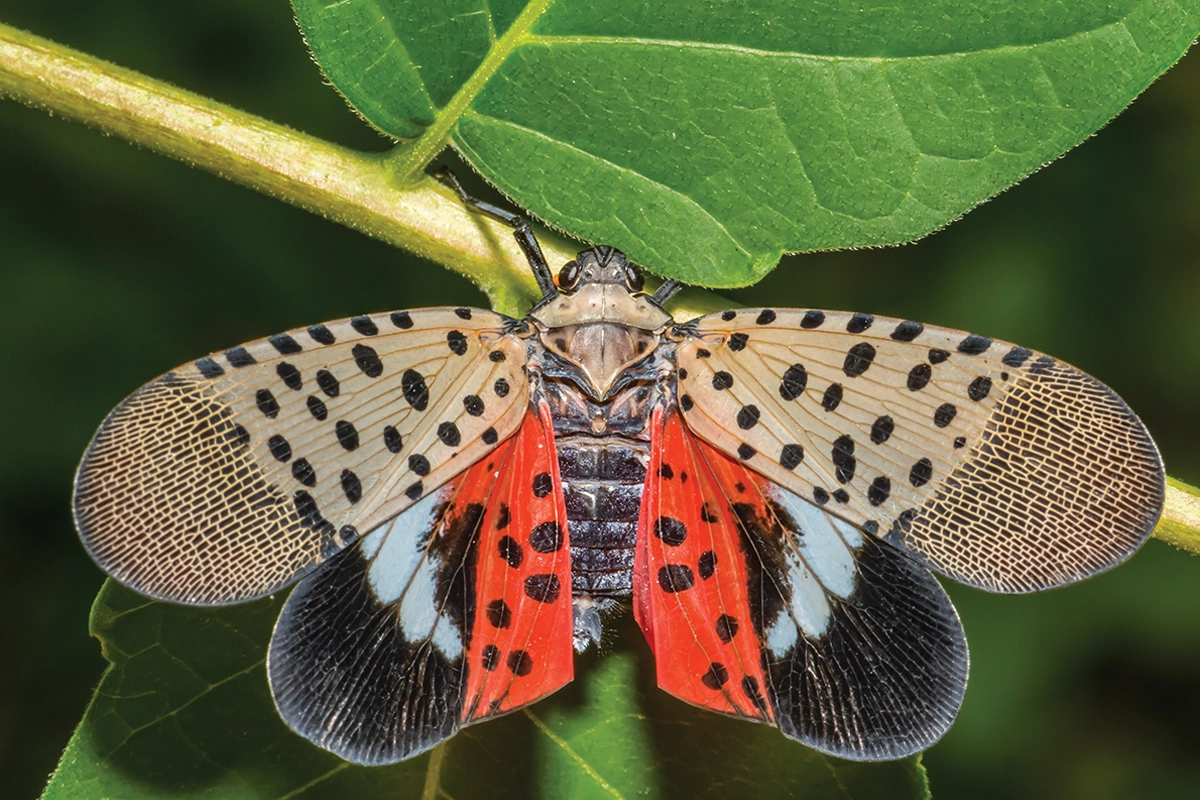
These things are thick in Albany County now. They love the Tree of Heaven, but they’ll jump right onto your good maples, oaks, and backyard fruit trees to suck the sap out until the limbs starve.
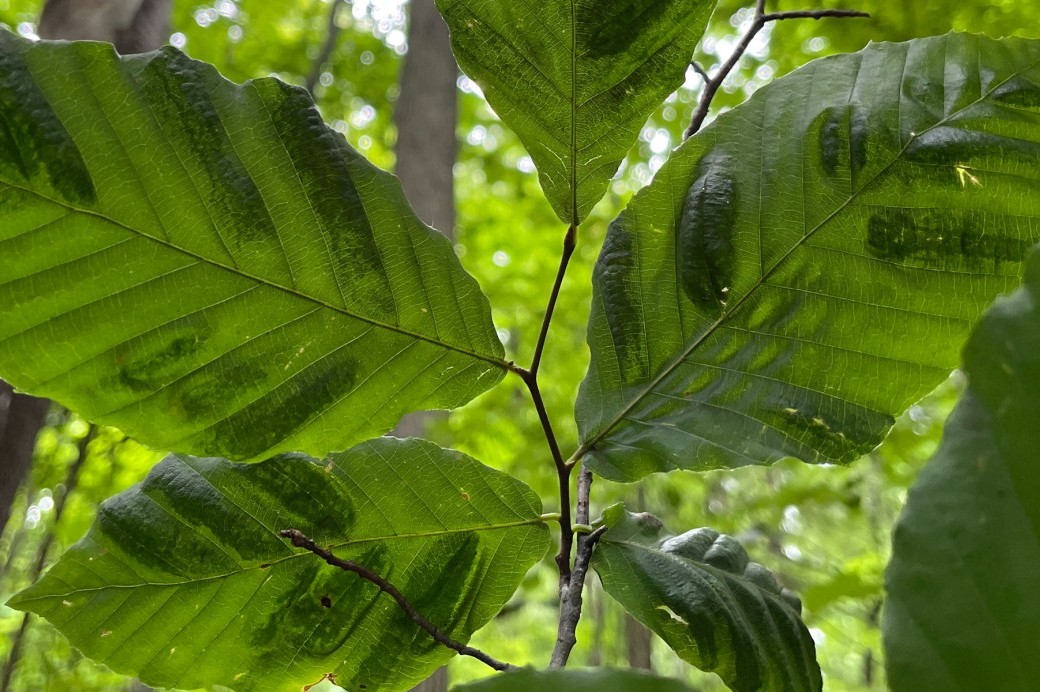
This is a nasty microscopic worm killing off American Beeches across the region at an ugly pace.
If you think your trees are catching any of this, don't leave them sitting until winter. Get a local tree service out to take a look and see if a deep-root treatment can save them or if they need to be pruned before they become a hazard to your house.
Early diagnosis can save your trees and prevent property damage.
Don’t wait until it’s too late.
Our trucks run out of Albany, but our service area covers the entire surrounding region. We don’t believe in playing phone tag or making you wait around all day just to find out we don’t drive to your town. Not on the list? Call (518) 675-8054 ask. We often travel further for large or complex jobs.
It depends entirely on the setup. A simple, open-yard tree might cost $400 to $700. But a huge, rotted oak wedged between two historic row houses in Center Square, where we need a city alley permit, specialized rigging, or a crane, can easily run $2,000 to $5,000 or more. The price comes down to how long the setup takes and how much risk is involved. We give you a fully itemized, written quote before we start. The number you see on paper is the number you pay when the job is done; we don’t do surprise add-ons.
Yes, we are fully trained to work near the low-voltage lines running from poles to your house. High-voltage transmission lines are strictly utility company territory. For tricky jobs near distribution lines, we coordinate directly with National Grid to handle them safely. We never touch energized lines, and no reputable company should. If your job requires utility intervention, we manage that process from the start.
Late winter, specifically February to early March. The trees are dormant, the lack of leaves lets us see structural flaws clearly, and the upcoming spring growth helps wounds heal fast. For sugar maples, stay away from pruning in early spring unless you want gooey sap running all over your yard. It’s messy and stresses the tree. If you've got a dead, hanging limb or an active split, forget the calendar completely. We need to get that down before it falls on something.
It depends entirely on your specific municipality. In the City of Albany, private property trees don’t need permits unless you’re in a designated historic district. Move over to Bethlehem, and removing anything over 8 inches in diameter triggers a permit or mitigation planting. Guilderland and Colonie have their own separate rules. As a local tree service, we know these local ordinances inside out and handle the paperwork for you.
We triage by urgency. If a tree is sitting on your roof or blocking your driveway, you go straight to the top of our list. A tree that fell harmlessly in the backyard gets scheduled within 24 to 48 hours after critical emergencies are cleared. We refuse to overpromise during a storm. We will give you a realistic timeline so you can make smart decisions when you’re stressed.
Fill out the form below, and we’ll get back to you quickly, usually within a couple of hours if it’s during the workday. For emergencies or immediate storm damage, skip the form and call our line directly. We’ll look at what you’ve got going on, give you a straight answer on how to handle it, and quote you a fair price.